TOP TRENDS IN PRINT AND SIGNAGE IN 2026
As we move towards the end of the first quarter of 2026, it’s already clear that the print and signage industry continues to evolve rapidly. While digital technology continues to transform the way businesses communicate with their customers, physical print and signage remain essential tools for branding, visibility, and engagement.
In fact, the global printed signage market is expected to grow from around £8 billion in 2026 to approximately £12 billion by 2034, showing that demand for high-quality printed signage remains strong across retail, hospitality, corporate and event sectors.
So what trends are shaping the industry this year? From sustainability and personalisation to hybrid digital displays, here are some of the key print and signage trends businesses should be paying attention to in 2026.
Sustainability is No Longer Optional
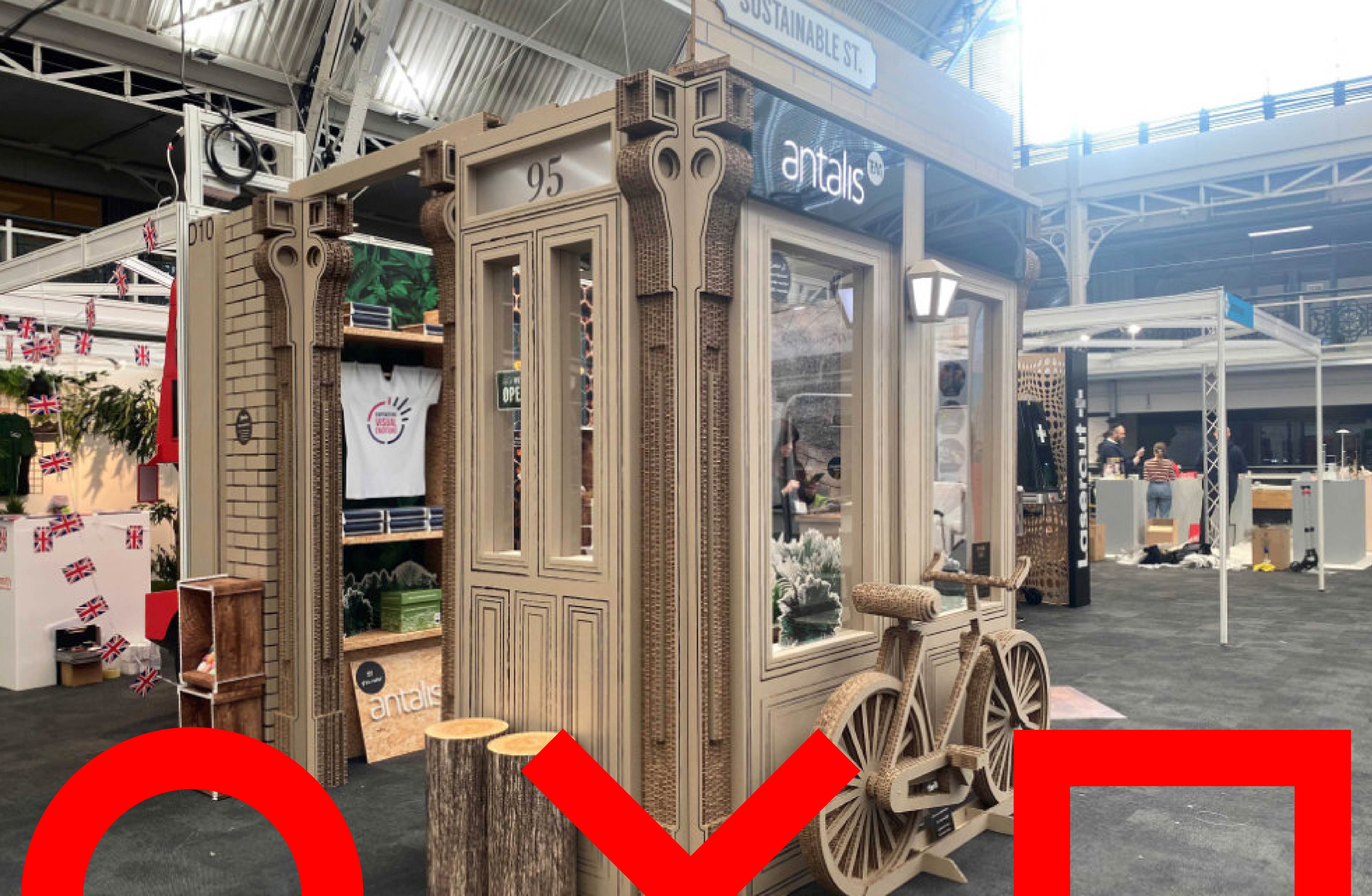
Sustainability continues to be one of the biggest drivers in the print and signage industry. Businesses are increasingly expected to demonstrate environmentally responsible practices, and this now extends to the materials and production processes used in signage and printed materials.
Many organisations are now actively choosing:
- Recyclable or responsibly sourced substrates
- Water-based or low-VOC inks
- Reusable exhibition systems and modular displays
- Materials designed for easy recycling after use
In sectors such as retail displays and exhibitions, sustainability is quickly moving from a “nice to have” to an expectation from customers and stakeholders alike.
For businesses, this means signage suppliers who can provide environmentally conscious options are becoming increasingly valuable partners.
At Pinders, sustainability and quality are both key priorities in our production processes. We hold ISO 14001 environmental management certification, demonstrating our commitment to reducing environmental impact and continually improving our environmental performance. Alongside this, we also hold ISO 9001 certification for quality management, ensuring consistent standards and reliable production across every project.
Our large format printing uses UV printing technology, which is widely recognised as a more environmentally responsible method compared with traditional solvent printing due to lower emissions and reduced waste. We also offer a range of recyclable materials and operate recycling schemes within our production processes, helping clients make more sustainable choices for their signage and display projects.
Personalisation and Custom Print
Another major trend in 2026 is the move towards personalised print and highly customised signage solutions. Advances in digital printing technology mean that businesses can now create short-run or even one-off pieces quickly and cost-effectively.
Rather than generic marketing materials, brands are using print to create targeted, memorable experiences for customers.
Examples include:
- Personalised direct mail campaigns
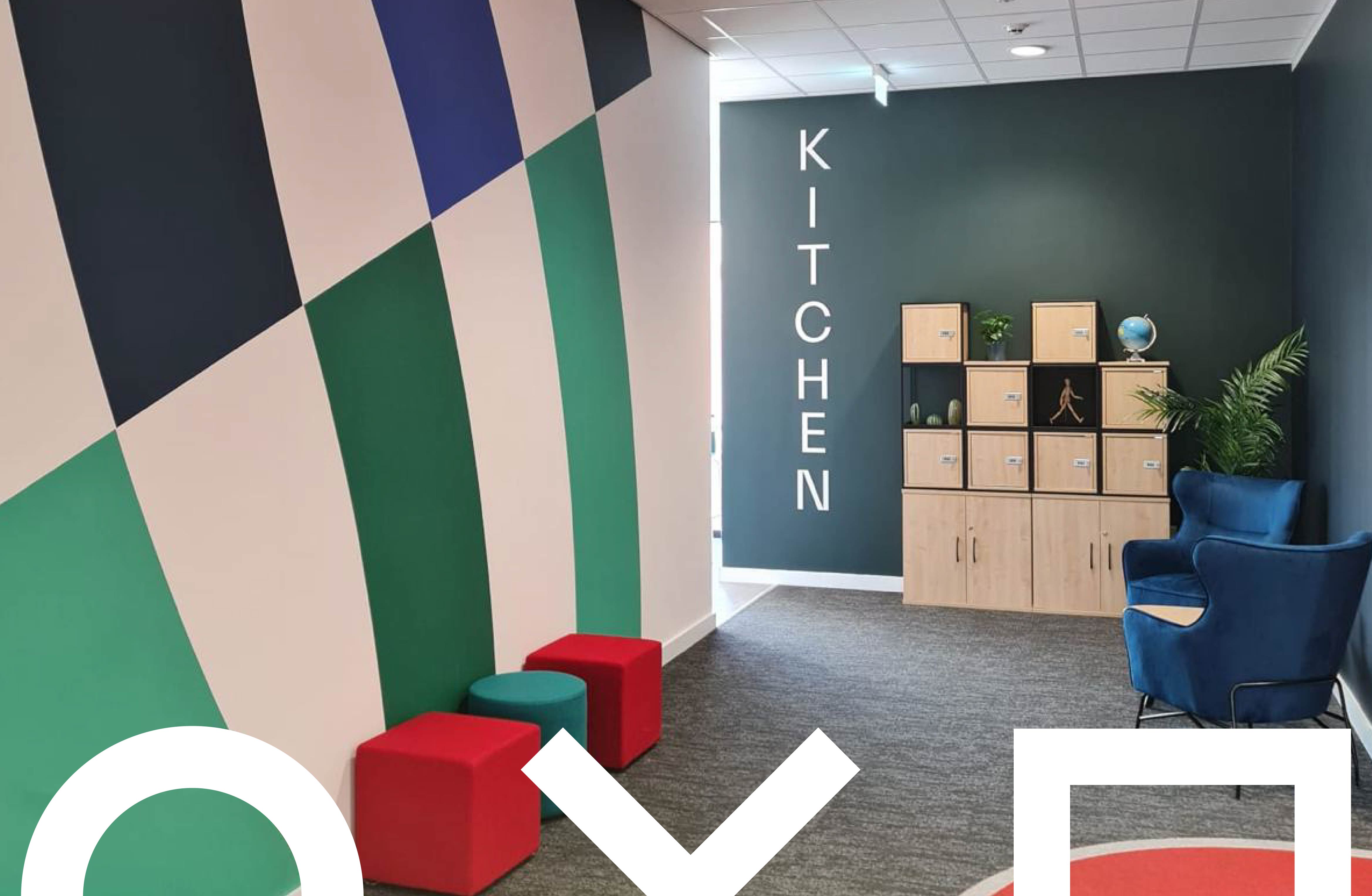
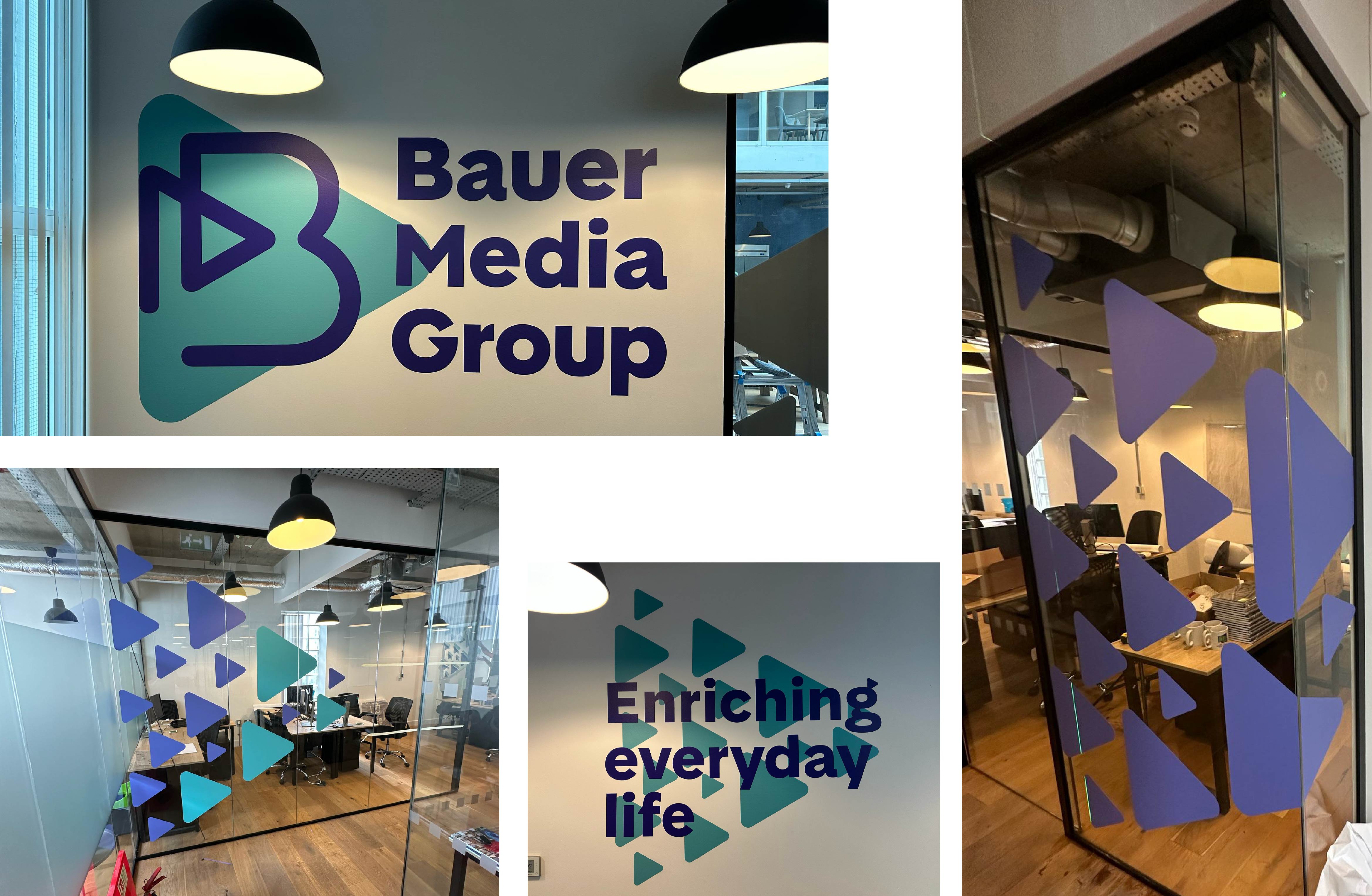
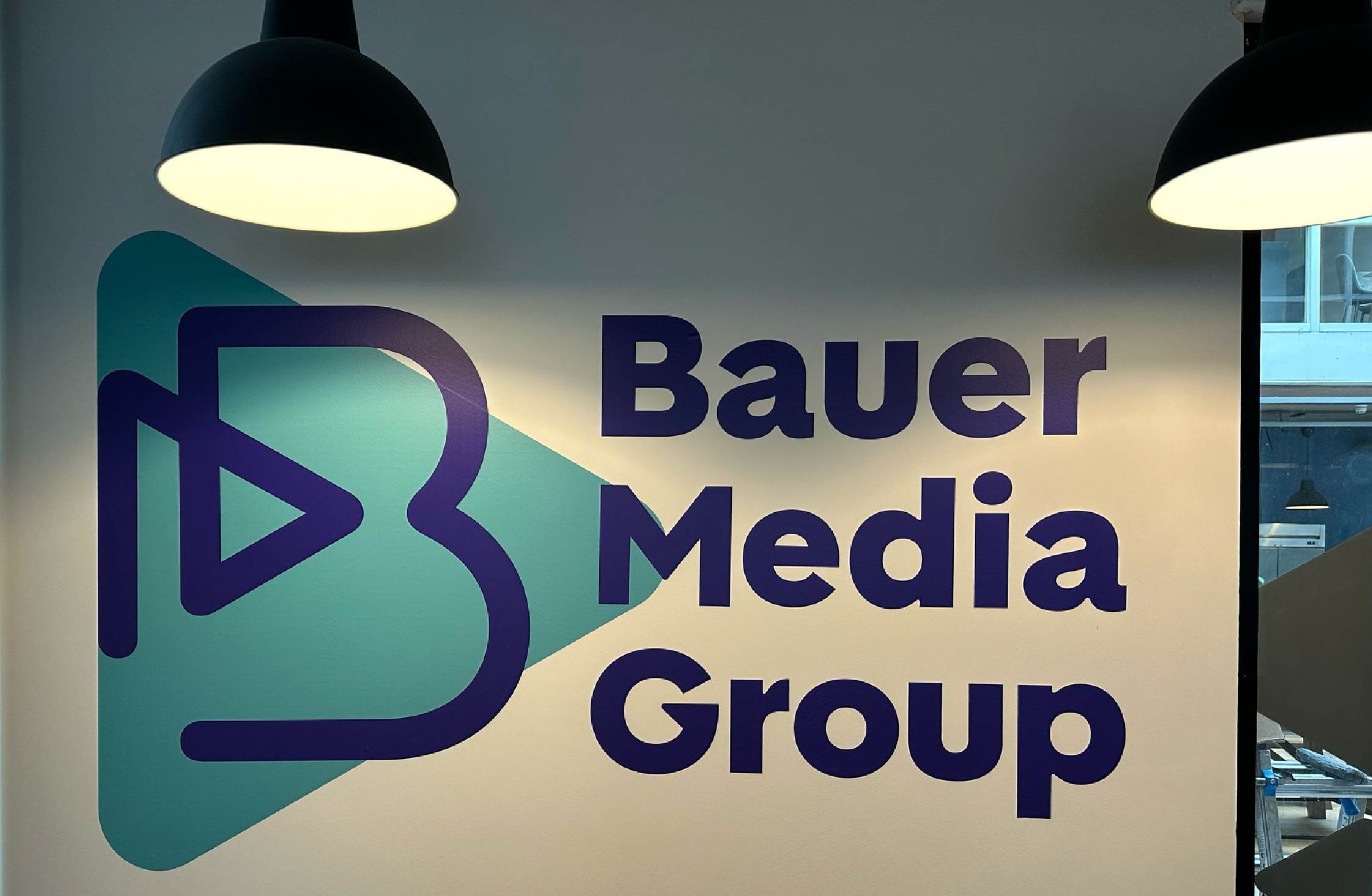
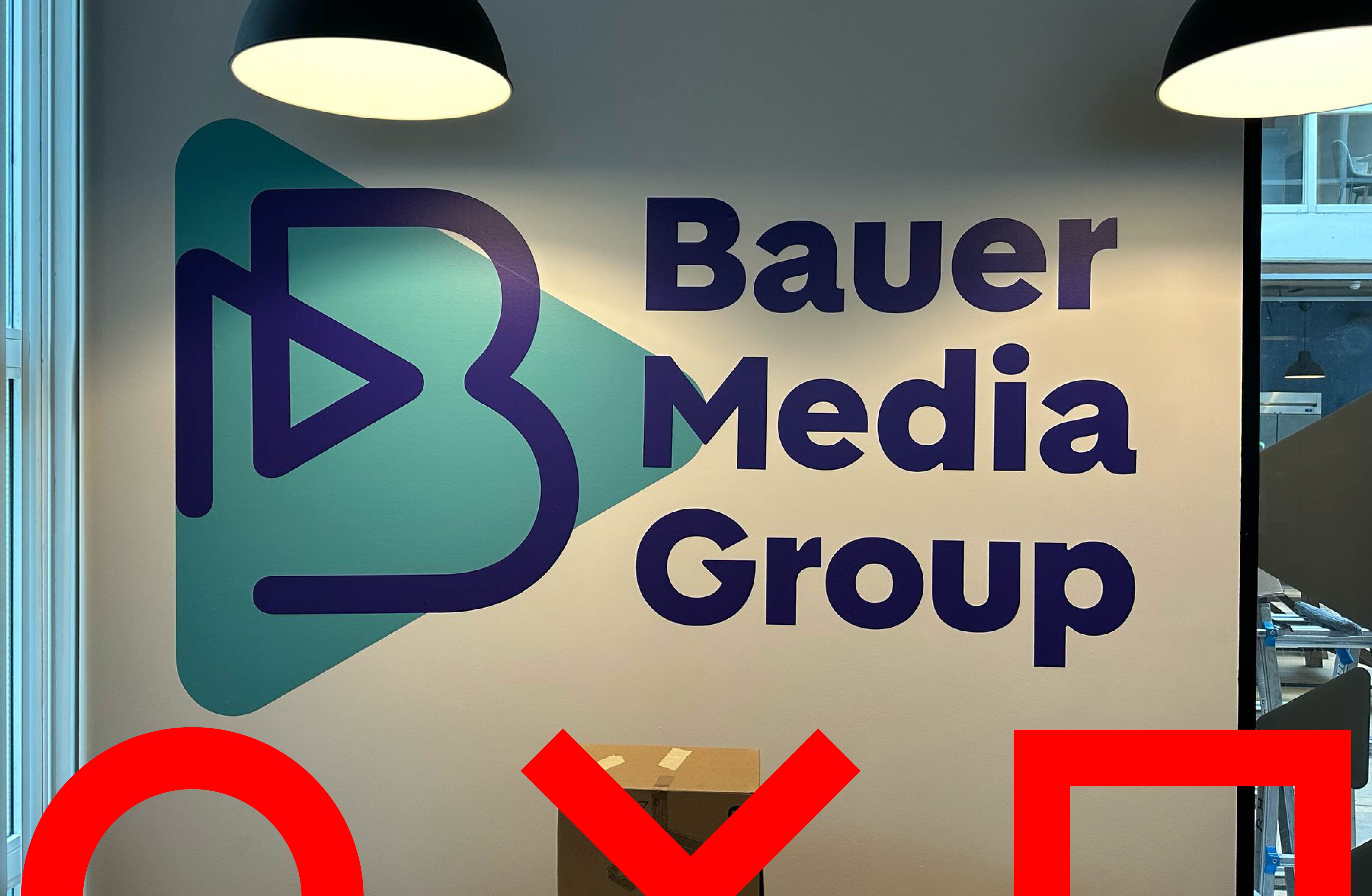
- Custom wall graphics and interior branding
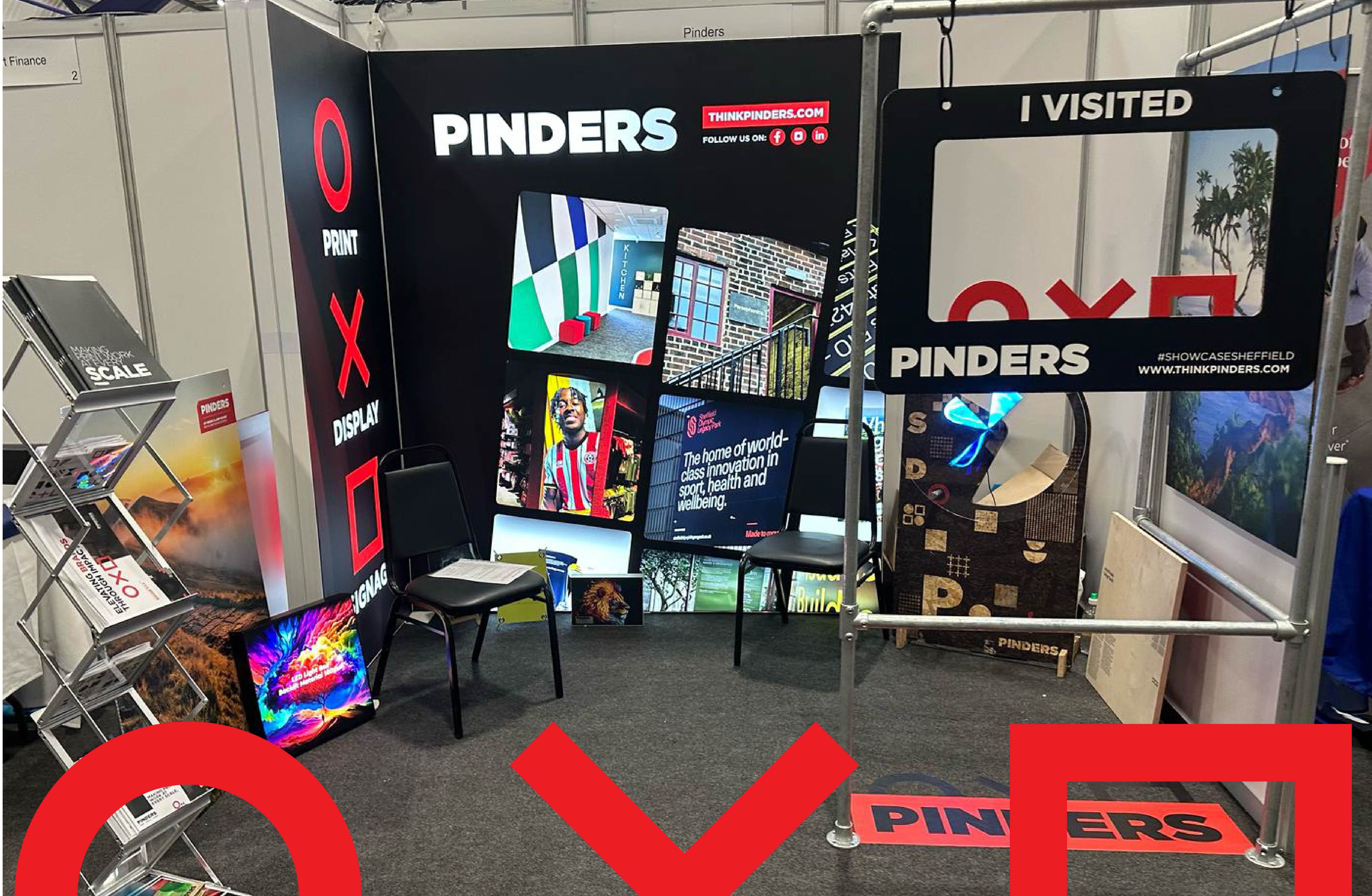
- Tailored exhibition displays
- Event-specific promotional signage
In an increasingly digital world, personalised physical print can create a stronger emotional connection and help brands stand out from the competition.
The Rise of Hybrid Print and Digital Signage
One of the most interesting developments in recent years is the blending of traditional print with digital display technologies.
Experts predict that 2026 will be a year of hybrid solutions, where businesses combine printed graphics with digital screens, LED elements, or interactive features to create more engaging environments.
Digital signage itself is also expanding rapidly, with the market expected to grow significantly over the next decade.
Examples of hybrid signage include:
- Printed backdrops combined with LED video displays
- Interactive wayfinding systems
- Digital menu boards within printed frames
- Smart signage that updates content in real time
Rather than replacing print, digital signage is increasingly working alongside it to create richer visual experiences.

Intelligent and Interactive Signage
Signage is becoming smarter. With advances in artificial intelligence, data integration, and digital display technology, signage can now adapt its content based on time of day, location, or audience behaviour.
By 2026, “intelligent signage” is expected to become increasingly common, allowing businesses to tailor messages and track engagement in real time.
For example:
- Retail screens displaying different promotions depending on the time of day
- Interactive displays encouraging customer engagement
- Real-time content updates for events or venues
This shift is transforming signage from a static communication tool into an active part of the customer experience.
Bold Design, Texture and Tactile Experiences
While technology is evolving quickly, there is also a strong design trend towards authenticity, texture and tactile materials.
Many designers are moving away from overly polished digital aesthetics and instead embracing materials, textures, and finishes that feel more physical and human.
This trend is influencing signage through:
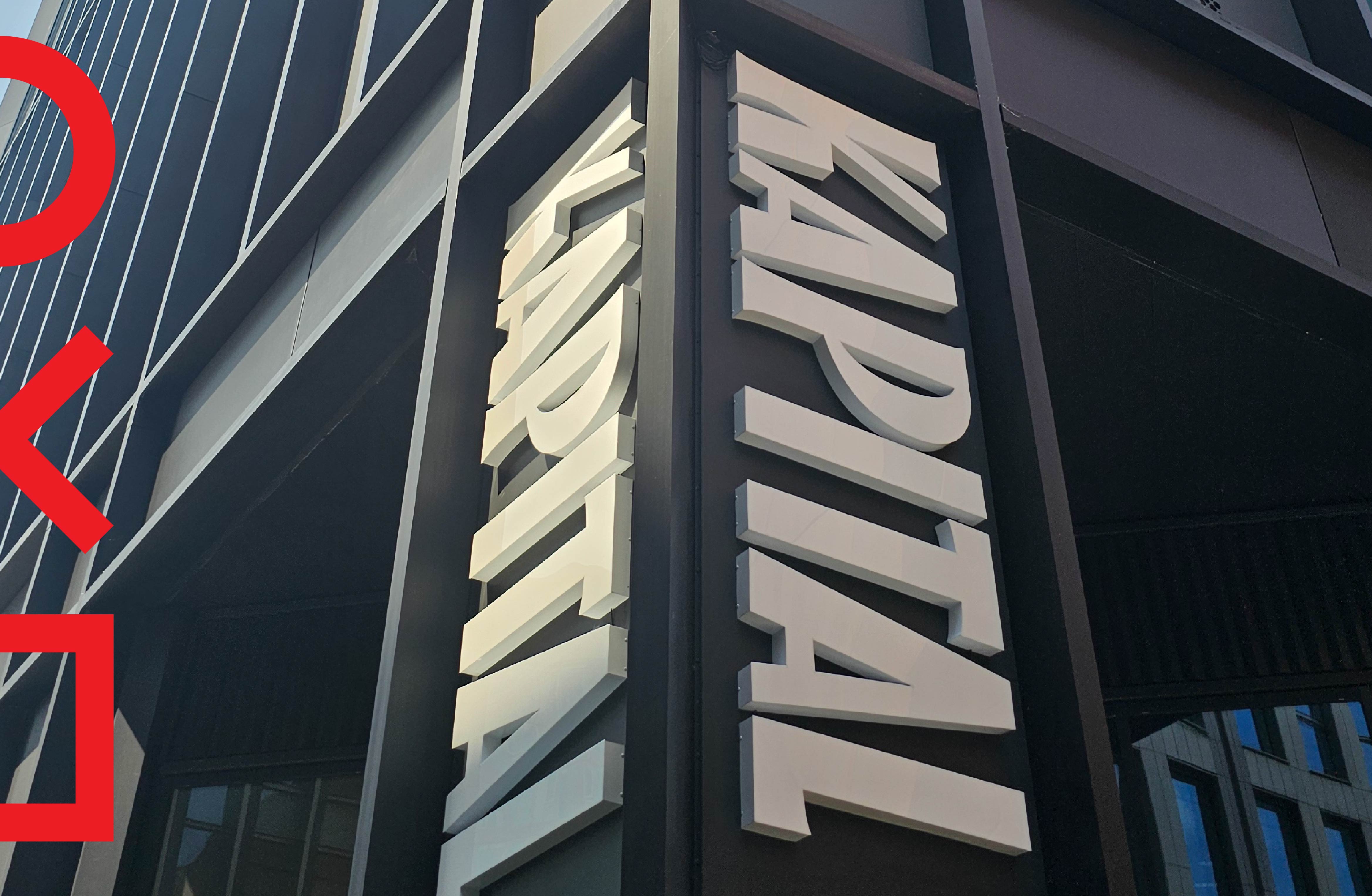
- Dimensional lettering and built-up signs
- Textured materials such as wood, metal and acrylic
- Layered graphics and mixed materials
- Tactile interior signage
For hospitality, retail and leisure spaces in particular, signage is increasingly being used as part of the interior design and brand experience rather than simply a functional element.

Custom Signage as a Brand Statement
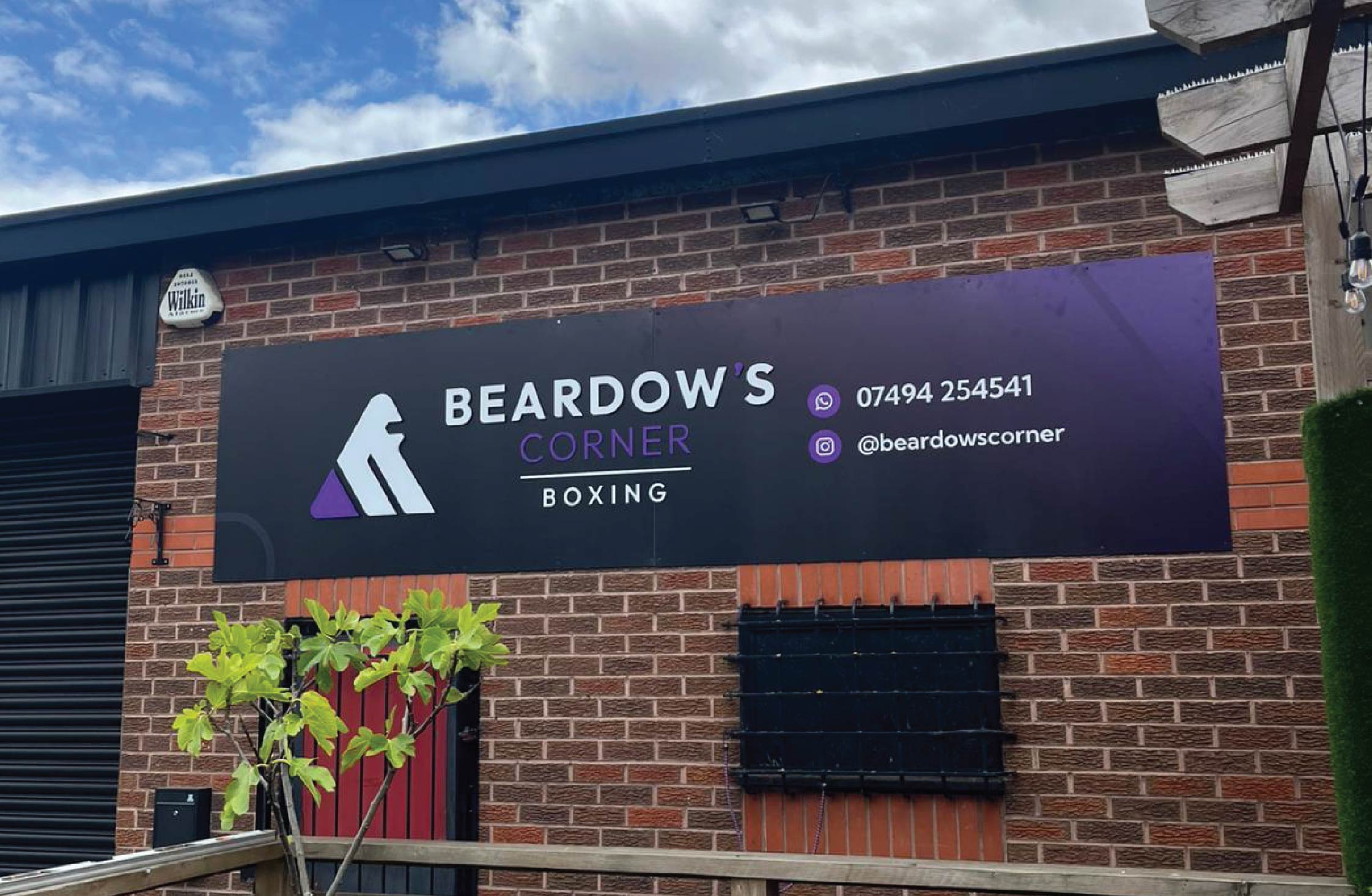
Businesses are also moving away from generic signage solutions and investing more in bespoke designs that reflect their brand identity.
Custom signage is now often used as a central feature of a space, helping create memorable environments and strong brand recognition.
This includes:
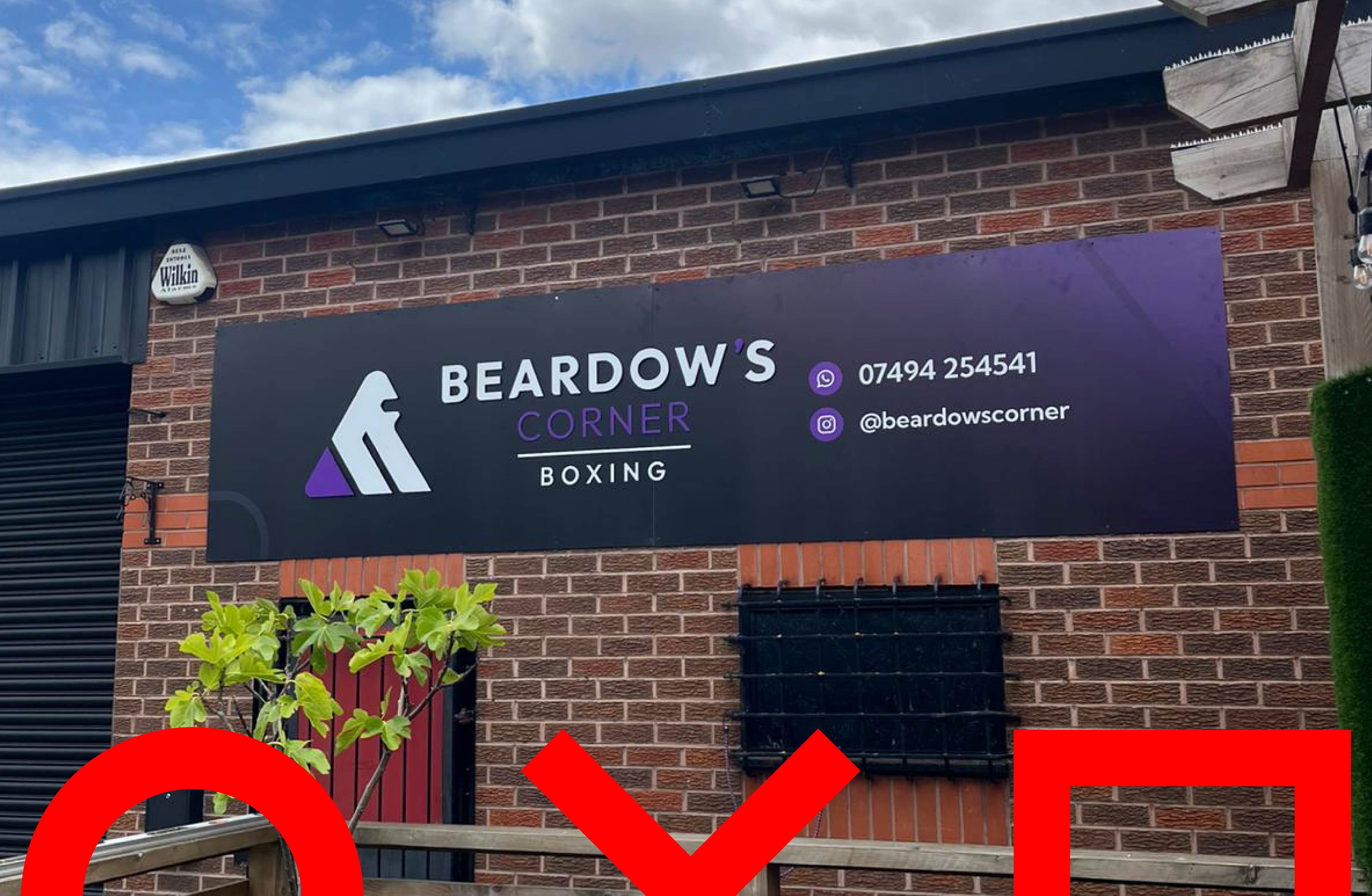
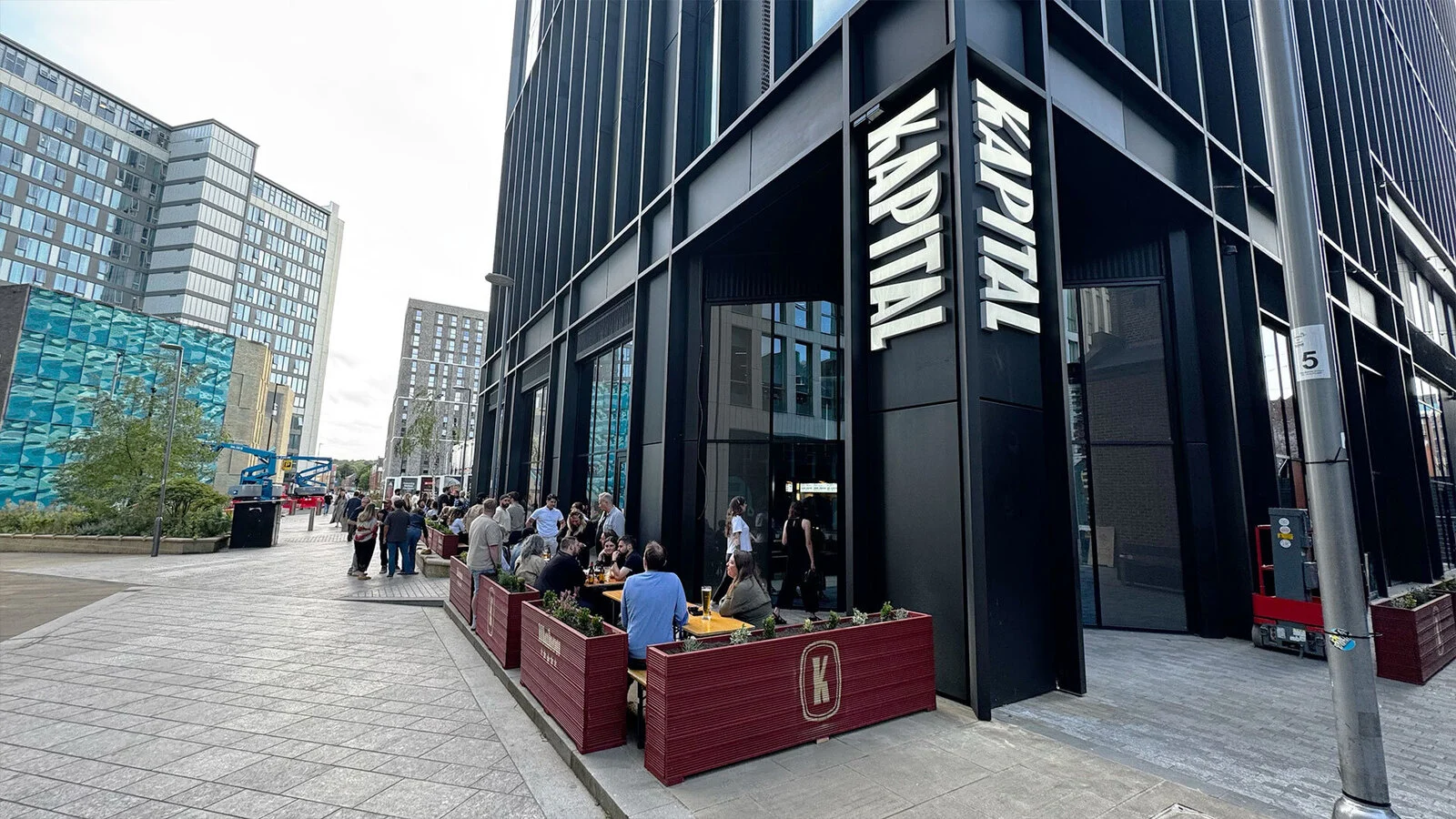
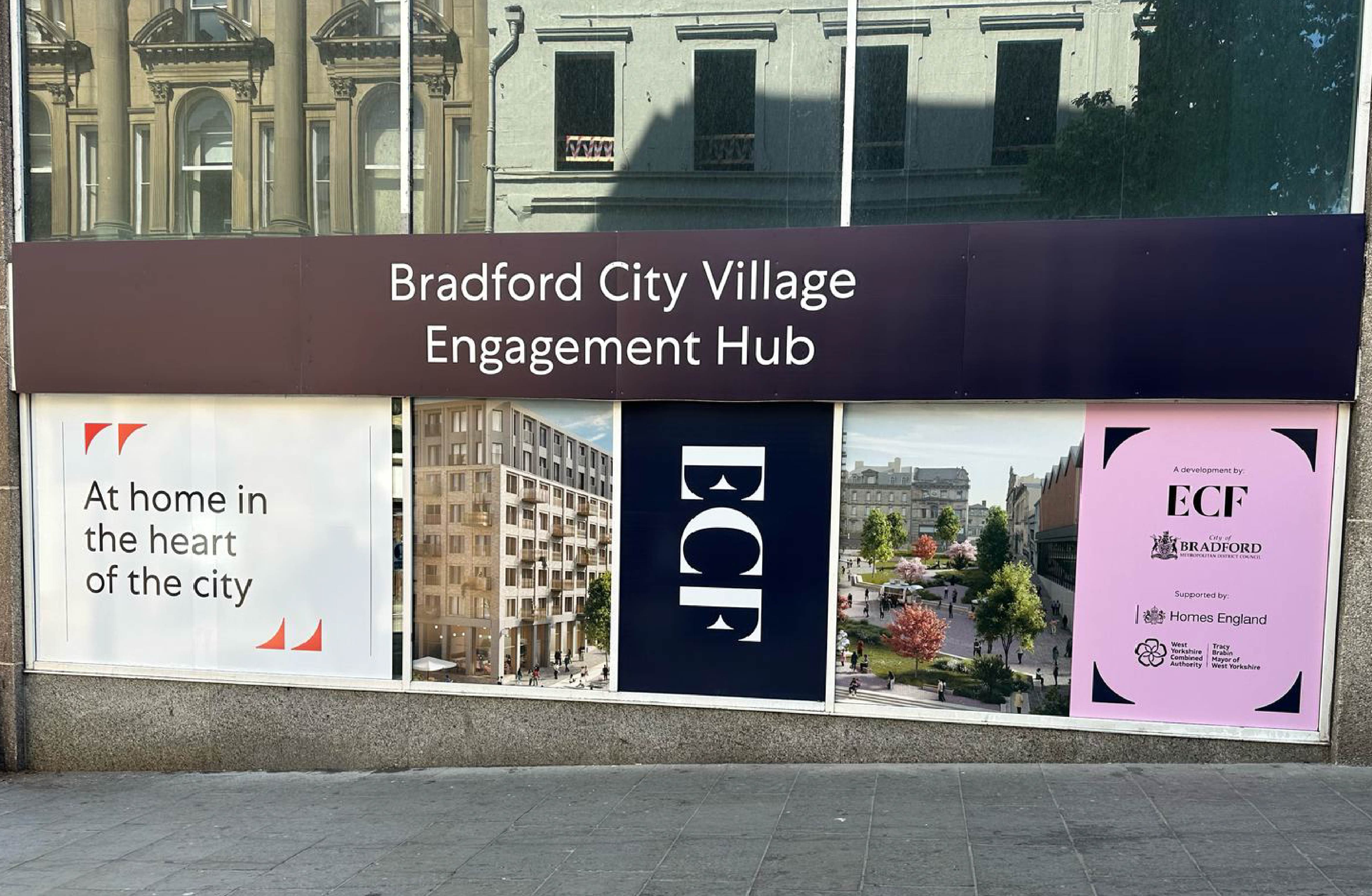
- Unique shopfront fascia signs
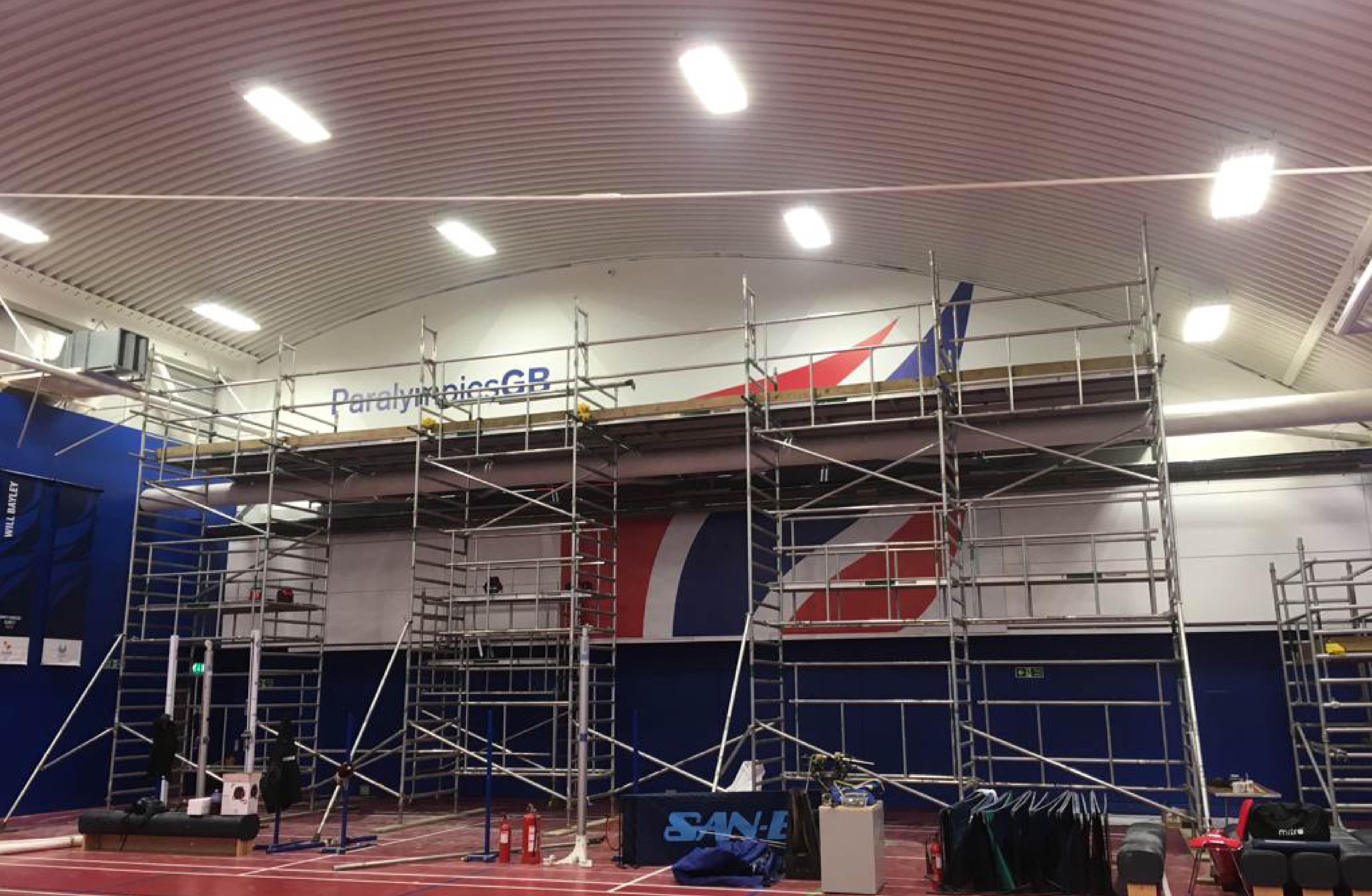
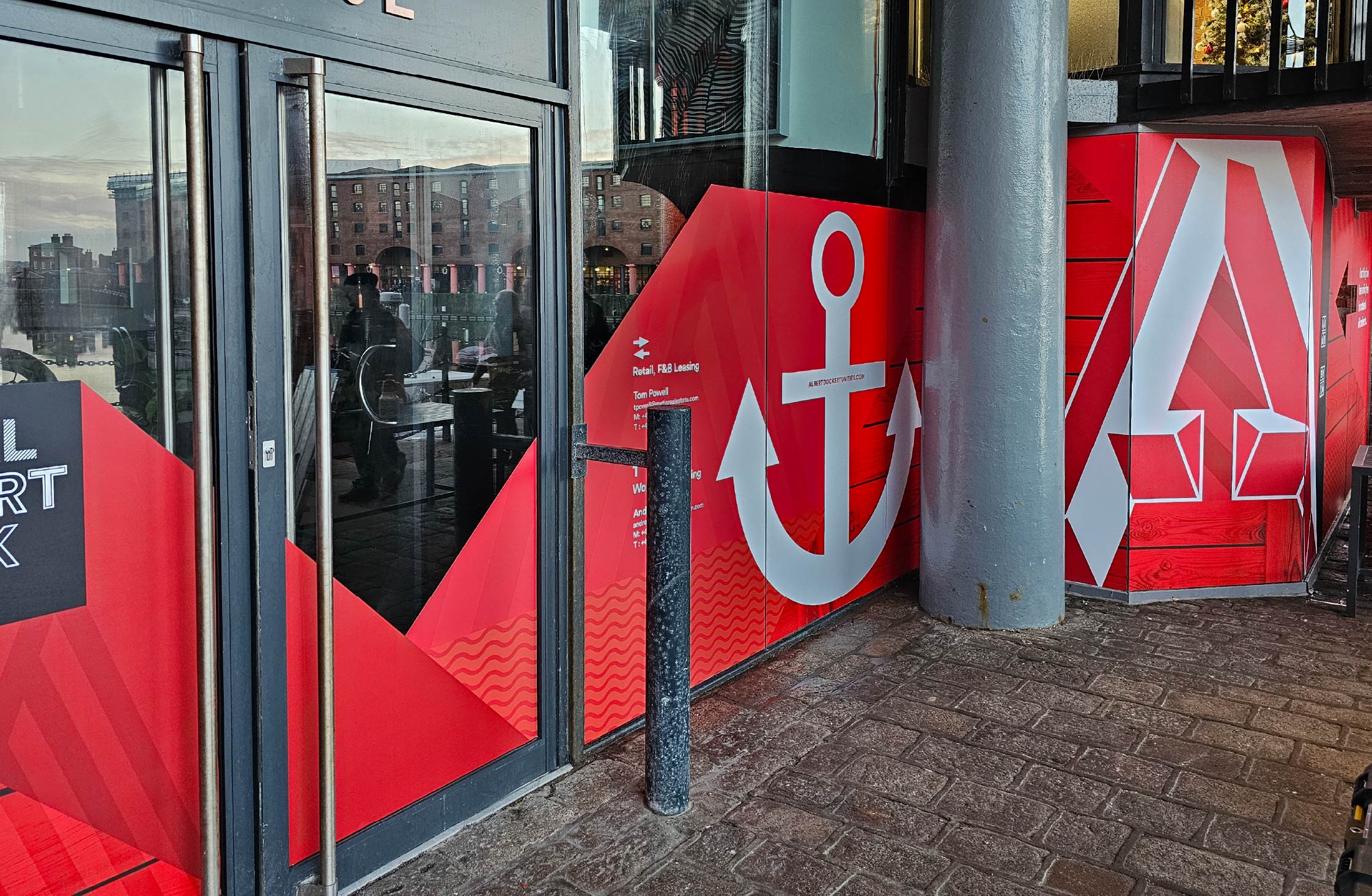
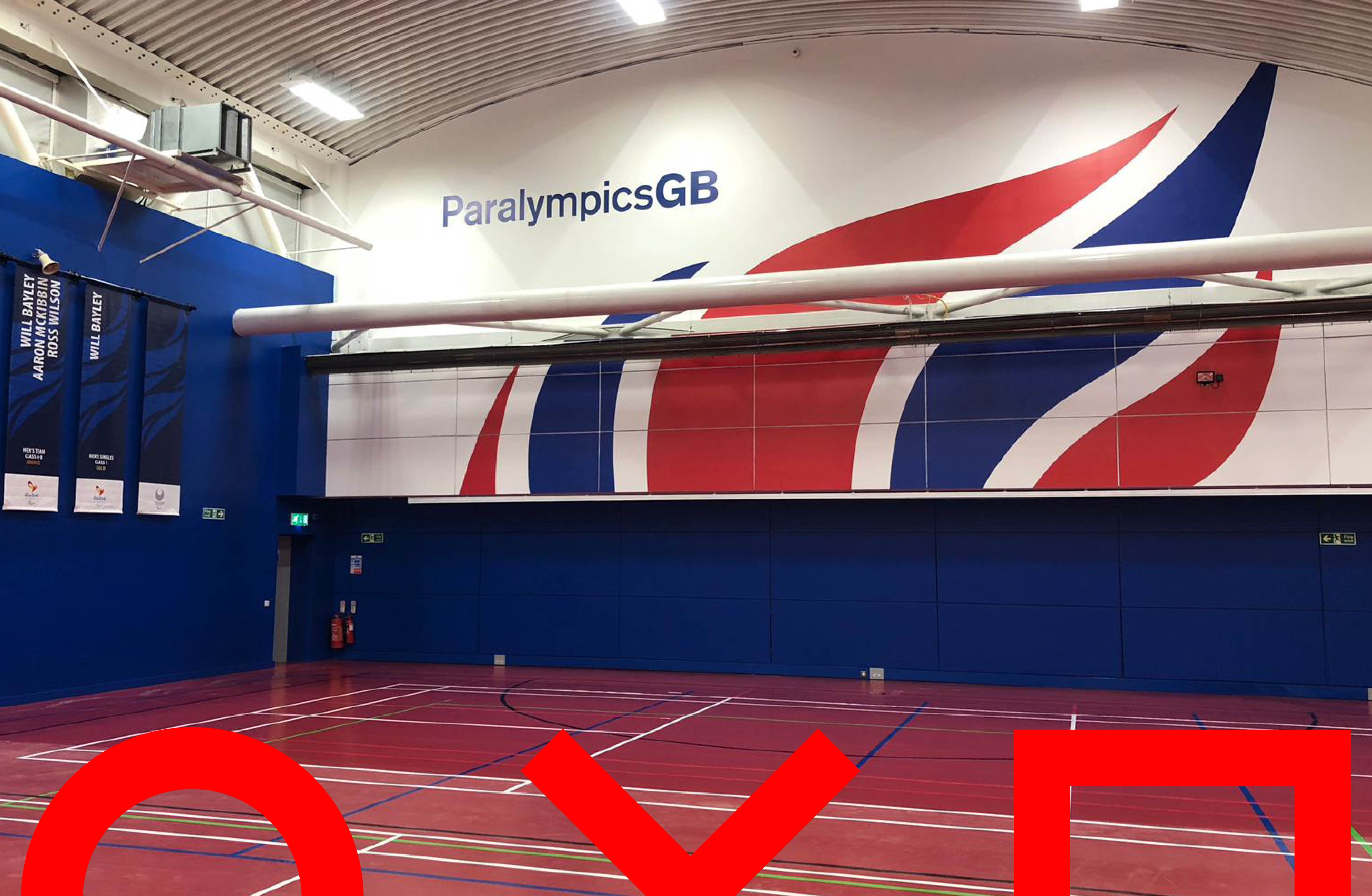
- Feature wall graphics and murals
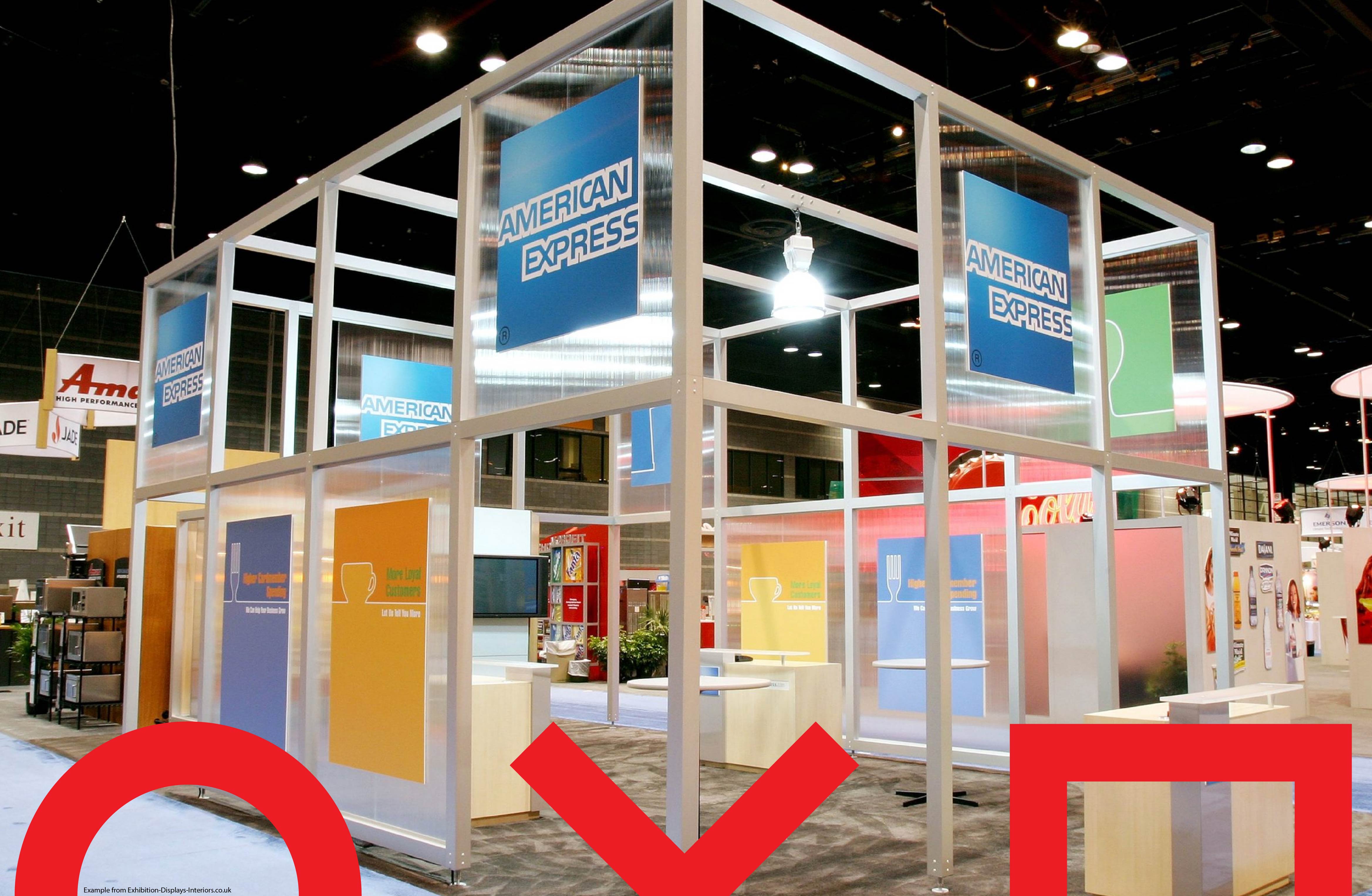
- Bespoke exhibition displays
- Illuminated signage designed as a focal point
For many businesses, signage is no longer just about visibility, it’s about storytelling.
Looking Ahead
As we progress through 2026, the print and signage industry continues to balance innovation with creativity. Sustainability, digital integration and personalisation are shaping how businesses use print, while design trends are pushing signage to become more experiential and visually engaging.
Despite the growth of digital channels, print remains a powerful and trusted medium. Businesses that combine high-quality print with modern technology and thoughtful design will be best positioned to capture attention and create lasting impressions.
At Pinders, we continue to work with businesses across a wide range of sectors to deliver creative, high-impact print and signage solutions that help brands stand out.
Looking to Bring Your Signage Ideas to Life?
If you’re planning a new signage project, exhibition display or branded environment in 2026, our team at Pinders can help turn your ideas into reality. With decades of experience in large format printing, signage and display solutions, we work with businesses across the UK to deliver high-quality, impactful visual branding.
From sustainable materials and bespoke signage to exhibition graphics and interior branding, we’ll help you find the right solution for your space.
Get in touch with our team today to discuss your next project.